

OEM vs Aftermarket Spare Parts: Which Is Better for Your Industrial Equipment?
OEM vs Aftermarket Spare Parts: Which Is Better for Your Industrial Equipment?
Introduction
Industrial equipment is the backbone of manufacturing, construction, energy, logistics, and many other sectors. Keeping machinery in peak operating condition requires regular maintenance and timely replacement of worn or damaged components. One of the most common questions maintenance managers and business owners face is whether to purchase Original Equipment Manufacturer (OEM) spare parts or aftermarket alternatives.
At first glance, the decision may seem straightforward—OEM parts are often seen as the safest choice, while aftermarket parts are typically more affordable. However, the right option depends on several factors, including equipment criticality, operating environment, budget, warranty requirements, and long-term maintenance goals.
Choosing the wrong replacement part can lead to increased downtime, reduced equipment efficiency, higher maintenance costs, and even safety risks. On the other hand, selecting the right part can extend machinery lifespan, improve reliability, and reduce operational expenses.
In this guide, we’ll explain the differences between OEM and aftermarket spare parts, compare their advantages and disadvantages, and help you determine which option is best for your industrial equipment.
What Are OEM Spare Parts?
OEM stands for Original Equipment Manufacturer. OEM spare parts are produced by the same company that designed and manufactured the original equipment or by an authorised supplier that follows the manufacturer’s exact specifications.
These parts are designed specifically for a particular machine model, ensuring a precise fit and consistent performance.
Examples of OEM spare parts include:
- Air compressor filters
- Bearings
- Valves
- Pumps
- Motors
- Control boards
- Sensors
- Hydraulic components
OEM parts are generally identical to those installed when the equipment was first manufactured.
What Are Aftermarket Spare Parts?
Aftermarket spare parts are manufactured by third-party companies rather than the original equipment manufacturer. These companies produce compatible replacement parts designed to perform the same function as OEM components.
Many reputable aftermarket manufacturers use advanced engineering and quality control processes to produce reliable products that meet or exceed original specifications.
The aftermarket industry has grown significantly over the past decade, providing businesses with more choices and competitive pricing.
Key Differences Between OEM and Aftermarket Spare Parts
Although both types of parts serve the same purpose, there are several important differences.
Manufacturing Standards
OEM parts are manufactured according to the original equipment manufacturer’s specifications. They are designed to match the original component exactly in terms of size, material, and performance.
Aftermarket parts vary depending on the manufacturer. High-quality aftermarket suppliers may produce parts that match or even improve upon OEM designs, while lower-quality manufacturers may compromise on materials or precision.
Quality
OEM parts generally offer consistent quality because they are produced under strict manufacturing standards.
Aftermarket quality can range from excellent to poor. The key is choosing a trusted supplier with a proven reputation for producing reliable industrial components.
Not all aftermarket parts are created equal.
Compatibility
OEM parts are guaranteed to fit the intended equipment.
Aftermarket components are designed for compatibility but may occasionally require minor adjustments depending on the manufacturer.
Purchasing from experienced suppliers helps minimise compatibility issues.
Cost
One of the biggest advantages of aftermarket parts is cost.
OEM components often carry premium pricing because they include manufacturer branding, engineering, and distribution costs.
Aftermarket alternatives may cost significantly less while providing similar performance for many applications.
For businesses managing large fleets of industrial equipment, these savings can be substantial.
Availability
OEM parts may sometimes have long lead times, particularly for older machinery or imported equipment.
Many aftermarket suppliers maintain larger inventories, allowing faster delivery and reducing equipment downtime.
Quick access to replacement parts is often a major advantage during emergency repairs.
Warranty
OEM parts usually come with manufacturer-backed warranties and are often required to maintain equipment warranties.
Some aftermarket manufacturers also offer warranties, but coverage varies by supplier.
Always review warranty terms before purchasing.
Advantages of OEM Spare Parts
OEM components remain the preferred choice for many industries because of their reliability.
Guaranteed Compatibility
OEM parts are engineered specifically for your equipment, eliminating fitment concerns.
Consistent Performance
Since the parts match original specifications, equipment continues operating as designed.
Manufacturer Support
OEM suppliers often provide technical documentation, installation guidance, and engineering assistance.
Warranty Protection
Using genuine components helps preserve manufacturer warranties.
Higher Reliability
OEM parts undergo extensive testing before reaching the market.
For critical industrial systems where reliability is essential, OEM parts often provide greater peace of mind.
Disadvantages of OEM Spare Parts
Despite their benefits, OEM parts have some drawbacks.
Higher Purchase Price
OEM components generally cost more than aftermarket alternatives.
Longer Delivery Times
Some specialised parts may need to be ordered directly from manufacturers.
Limited Supplier Options
Businesses often depend on authorised distributors, reducing pricing flexibility.
Advantages of Aftermarket Spare Parts
Modern aftermarket manufacturers have significantly improved product quality, making them a practical option for many industrial applications.
Lower Costs
Aftermarket parts can reduce maintenance expenses without sacrificing performance when sourced from reputable manufacturers.
Greater Availability
Many aftermarket suppliers keep large inventories of commonly used components.
Competitive Innovation
Some aftermarket manufacturers improve original designs using upgraded materials or enhanced engineering.
Wider Supplier Network
Businesses can compare pricing and availability across multiple suppliers.
Disadvantages of Aftermarket Spare Parts
Choosing aftermarket components also requires careful evaluation.
Variable Quality
Not every manufacturer maintains the same quality standards.
Poor-quality parts may fail prematurely and increase maintenance costs.
Potential Compatibility Issues
Some aftermarket components may differ slightly from OEM designs.
Warranty Considerations
Certain equipment warranties may require OEM parts during the warranty period.
Always confirm manufacturer requirements before purchasing.
Factors to Consider Before Choosing
Every maintenance decision should be based on operational needs rather than price alone.
Consider the following factors:
Equipment Criticality
For machinery that supports essential production processes, OEM parts may provide additional confidence.
For less critical equipment, quality aftermarket alternatives may be sufficient.
Equipment Age
Older equipment may no longer have readily available OEM components.
Reliable aftermarket suppliers often offer practical replacement solutions.
Operating Environment
Machines operating in harsh environments require durable, high-quality replacement parts regardless of whether they are OEM or aftermarket.
Budget
Maintenance budgets play an important role.
Businesses should evaluate total ownership costs rather than simply comparing purchase prices.
Downtime Costs
If delayed delivery could stop production, choosing readily available aftermarket components may reduce overall financial losses.
When OEM Parts Are the Better Choice
OEM spare parts are generally recommended when:
- Equipment remains under warranty
- Precision engineering is essential
- Safety-critical systems are involved
- Manufacturer compliance is required
- High-value equipment operates continuously
- Performance consistency is a top priority
Examples include pharmaceutical manufacturing, aerospace, food processing, and medical equipment.
When Aftermarket Parts Make Sense
Aftermarket components are often the right choice when:
- Equipment is no longer under warranty
- Cost reduction is a priority
- High-quality aftermarket suppliers are available
- Older machinery requires discontinued components
- Emergency repairs require immediate availability
- Businesses operate large equipment fleets
Choosing reputable suppliers ensures reliability while lowering maintenance costs.
How to Choose a Reliable Spare Parts Supplier
Whether purchasing OEM or aftermarket components, supplier selection is critical.
Look for suppliers that offer:
- Extensive product range
- Fast delivery
- Technical expertise
- Quality assurance
- Competitive pricing
- Strong customer support
- Proven industry experience
- Reliable stock availability
A trusted supplier helps minimise downtime and ensures long-term equipment performance.
Best Practices for Spare Parts Management
To maximise equipment reliability:
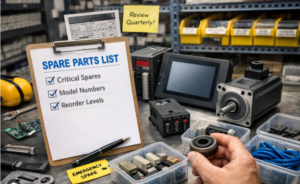
- Maintain an organised spare parts inventory.
- Track component usage and replacement history.
- Perform preventive maintenance.
- Monitor equipment performance regularly.
- Purchase only from trusted suppliers.
- Review inventory levels periodically.
- Train maintenance teams on correct installation procedures.
An effective maintenance strategy is just as important as choosing the right replacement parts.
Conclusion
The debate between OEM and aftermarket spare parts does not have a one-size-fits-all answer. Both options have their strengths, and the best choice depends on your equipment, budget, operational requirements, and maintenance strategy.
OEM parts provide guaranteed compatibility, consistent quality, and manufacturer-backed support, making them ideal for critical machinery and equipment still under warranty. Aftermarket parts, when sourced from reputable suppliers, offer excellent value, wider availability, and significant cost savings without compromising reliability.
The key is to evaluate the importance of each machine, understand the risks of downtime, and partner with a trusted spare parts supplier that prioritises quality and customer support.
At Sparecon, we offer a wide selection of high-quality industrial spare parts to help businesses maintain productivity, reduce downtime, and extend equipment life. Whether you’re looking for OEM components or dependable aftermarket alternatives, our experienced team can help you find the right solution for your operational needs.

Add comment